
Did you know? Snacks play a big role in feeding development
Did you know that February is National Snack Month? While snacks are often seen as “just something to get kids through the day,” they can actually play a meaningful role in feeding development.
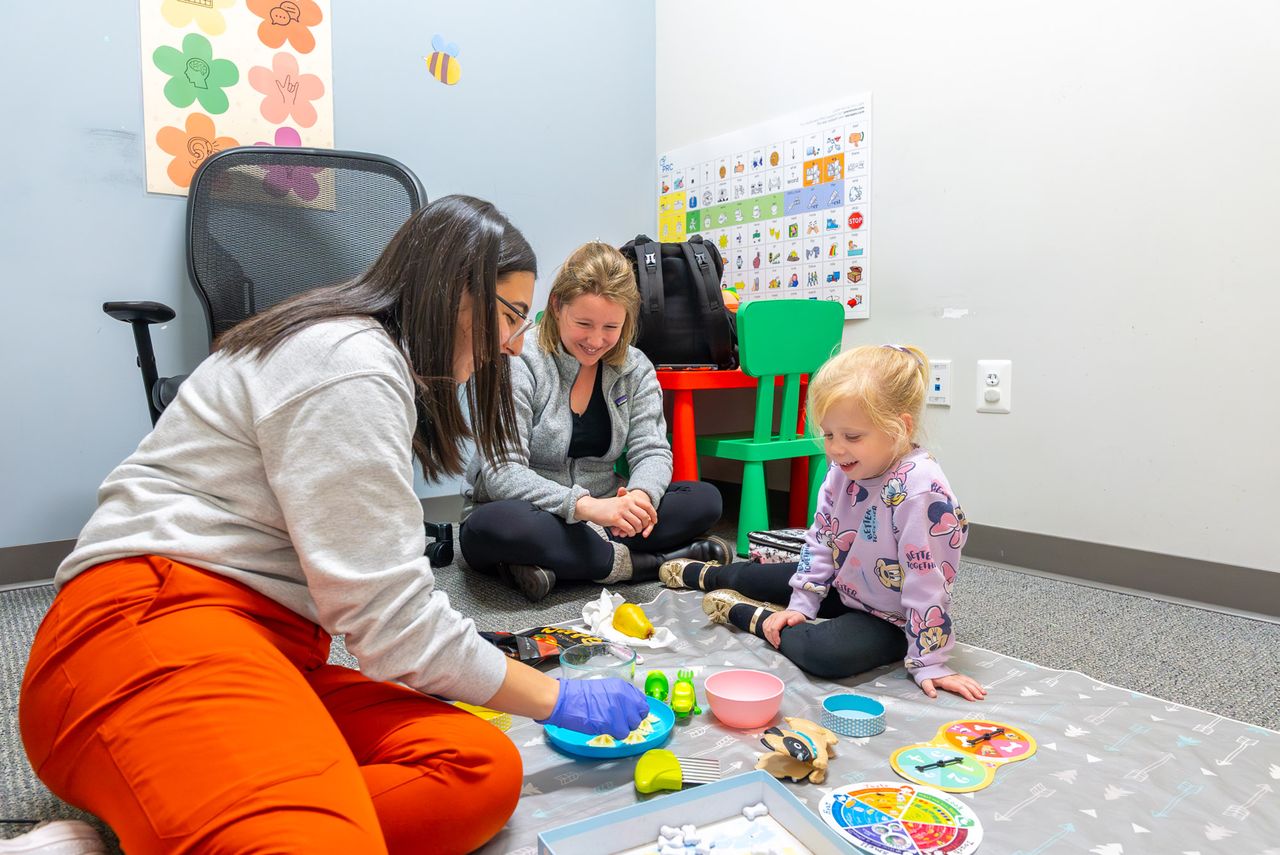
In feeding therapy, especially approaches like SOS and responsive feeding, snacks are often used intentionally. Why? Because snacks tend to feel safer. There’s usually less expectation to “clean the plate,” portions are smaller, and kids are often more willing to explore new foods when the stakes feel lower.
Did you know that exposure counts? A child may need to see, touch, smell, or interact with a food many times before tasting it. Snacks allow for repeated exposure without pressure. Even having a new food on the plate next to a preferred snack can be a meaningful step.
Did you know that picky eating is not about being stubborn?
Many children avoid foods due to sensory differences, anxiety, oral-motor challenges, or past negative experiences. Snacks can be a great time to explore textures and flavors in a way that feels manageable and supportive.
Did you know that “healthy” snacks look different for every child?
In feeding therapy, progress might look like tolerating a food nearby, touching it, licking it, or taking one bite. Nutrition matters, but so does safety, trust, and regulation. Building positive experiences around food is foundational.
At The Speech Language Center, our feeding therapy focuses on reducing stress around eating and supporting families with realistic, pressure-free strategies. Snacks are not the problem. In many cases, they’re part of the solution.